Continental AllSeasonContact 2 vs Goodyear Vector 4Seasons Gen 3
In den Tests positioniert sich Continental immer wieder als der sicherheitsorientierte Allrounder - insbesondere wenn es um Bremskraft geht - während Goodyear eher auf Wintertraktion, Aquaplaning-Widerstand (insbesondere bei kurvenförmigem Aquaplaning) und in einigen Berichten einen wertorientierteren Besitzansatz (Preis/Gewicht/Kilometerleistung je nach Test) setzt. Die zentrale Frage ist, ob Sie die Bremsleistung im Nassen und Trockenen (Continental's Markenzeichen) oder einen Reifen priorisieren, der oft in Aquaplaning- und Schneemetriken glänzt und in Bezug auf Langlebigkeit/Wert stärker erscheinen kann (wiederkehrende Themen von Goodyear).

Testergebnisse
Unabhängige Vergleichstests sind die beste Quelle für Reifeninformationen, und erfreulicherweise gibt es vierzehn Tests, die beide Reifen direkt vergleichen!
| Reifen | Testsiege | Leistung |
|---|---|---|
| Continental AllSeasonContact 2 | zwölf | |
| Goodyear Vector 4Seasons Gen 3 | eins | |
| eins zieht in eins Tests | ||
Auch wenn es auf den ersten Blick so aussieht, als wäre der Continental AllSeasonContact 2 aufgrund der höheren Anzahl an Testsiegen besser als der Goodyear Vector 4Seasons Gen 3, sind Reifen sehr komplexe Objekte, was bedeutet, dass die Bereiche, in denen ein Reifen besser ist als der andere, im realen Einsatz wichtiger sein können.
Schauen wir uns an, wie die beiden Reifen in verschiedenen Testkategorien abschneiden.
Key Strengths
- Konsistent kürzere Bremswege: gewinnt das Bremsen auf trockener Fahrbahn 13/13 und das Bremsen auf nasser Fahrbahn 12/13 in direkten Vergleichen, einschließlich großer Bremslücken auf nasser Fahrbahn in einigen Tests (z.B. 27,24 m gegen 31,74 m im AutoView 2026).
- Ausgewogene, hochwertige Allround-Leistung mit häufigen Gesamtsieg/nahezu-Siegen (12 Gesamtsiege gegen Goodyears 1), oft von Testern als vorbildlich/sehr empfehlenswert bewertet.
- Effizienzvorteil zeigt sich oft: Rollwiderstandskategorie-Vorteil (7 Siege) und starke Kraftstoffverbrauchsergebnisse, wo gemessen.
- Starke Kontrollierbarkeit und Vertrauen in verschiedenen Bedingungen (nasses Handling häufig wettbewerbsfähig; Schneehandling/Slalom-Ergebnisse oft zugunsten von Continental).
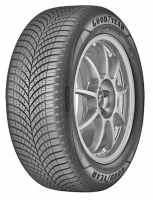
- Übertrifft oft beim Aquaplaning - insbesondere beim kurvenförmigen Aquaplaning (7 Kategorievictorien), und häufig starke gerade Aquaplaning-Geschwindigkeiten je nach Größe/Test.
- Sehr fähiges Winterleistungsprofil: häufige Siege beim Bremsen auf Schnee und Schnee-Traktion (7 und 6 Siege), und gute Eisbremsleistung im ADAC 2025.
- Kann in einigen Bewertungssystemen starken Besitzwert liefern: herausragende Kilometerleistung/Wert im ADAC 2025 (68.000 km projizierter Verschleiß und beste Wertmetrik) plus oft geringeres Gewicht, das von Testern festgestellt wird.
- Häufig wettbewerbsfähig in handlingspezifischen Metriken (übertrifft die Siege im trockenen Handling 5 gegen 4 und die Siege im nassen Handling 5 gegen 4), was in einigen Tests ein lebhafteres Gefühl vermittelt.
Dry Braking
Bei der Betrachtung von Daten aus dreizehn Reifentests war der Continental AllSeasonContact 2 in dreizehn dry braking-Tests besser. Im Durchschnitt war der Continental AllSeasonContact 2 bremste das Fahrzeug in% 3.9 als der kürzerem Abstand.
Bester in Dry Braking: Continental AllSeasonContact 2
Sehen Sie, wie der Dry Braking-Sieger ermittelt wurde >>
Dry Handling [s]
Bei der Betrachtung von Daten aus zwei Reifentests war der Goodyear Vector 4Seasons Gen 3 in zwei dry handling [s]-Tests besser. Im Durchschnitt war der Goodyear Vector 4Seasons Gen 3 war% 0.93 als der schneller auf einer Runde.
Bester in Dry Handling [s]: Goodyear Vector 4Seasons Gen 3
Sehen Sie, wie der Dry Handling-Sieger ermittelt wurde >>
Dry Handling [Km/H]
Bei der Betrachtung von Daten aus sieben Reifentests war der Continental AllSeasonContact 2 in vier dry handling [km/h]-Tests besser. Im Durchschnitt war der Continental AllSeasonContact 2 war% 0.1 als der schneller auf einer Runde.
Bester in Dry Handling [Km/H]: Continental AllSeasonContact 2
Sehen Sie, wie der Dry Handling-Sieger ermittelt wurde >>
Subj. Dry Handling
Bei der Betrachtung von Daten aus drei Reifentests war der Continental AllSeasonContact 2 in drei subj. dry handling-Tests besser. Im Durchschnitt war der Continental AllSeasonContact 2 erzielte% 7.08 als der mehr Punkte.
Bester in Subj. Dry Handling: Continental AllSeasonContact 2
Sehen Sie, wie der Subj. Dry Handling-Sieger ermittelt wurde >>
Wet Braking
Bei der Betrachtung von Daten aus dreizehn Reifentests war der Continental AllSeasonContact 2 in zwölf wet braking-Tests besser. Im Durchschnitt war der Continental AllSeasonContact 2 bremste das Fahrzeug in% 5.2 als der kürzerem Abstand.
Bester in Wet Braking: Continental AllSeasonContact 2
Sehen Sie, wie der Wet Braking-Sieger ermittelt wurde >>
Wet Braking - Concrete
Bei der Betrachtung von Daten aus eins Reifentests war der Continental AllSeasonContact 2 in eins wet braking - concrete-Tests besser. Im Durchschnitt war der Continental AllSeasonContact 2 bremste das Fahrzeug in% 1.79 als der kürzerem Abstand.
Bester in Wet Braking - Concrete: Continental AllSeasonContact 2
Sehen Sie, wie der Wet Braking - Concrete-Sieger ermittelt wurde >>
Wet Handling [s]
Bei der Betrachtung von Daten aus drei Reifentests war der Goodyear Vector 4Seasons Gen 3 in drei wet handling [s]-Tests besser. Im Durchschnitt war der Goodyear Vector 4Seasons Gen 3 war% 1.12 als der schneller auf einer nassen Runde.
Bester in Wet Handling [s]: Goodyear Vector 4Seasons Gen 3
Sehen Sie, wie der Wet Handling-Sieger ermittelt wurde >>
Wet Handling [Km/H]
Bei der Betrachtung von Daten aus sechs Reifentests war der Continental AllSeasonContact 2 in vier wet handling [km/h]-Tests besser. Im Durchschnitt war der Continental AllSeasonContact 2 war% 0.76 als der schneller auf einer nassen Runde.
Bester in Wet Handling [Km/H]: Continental AllSeasonContact 2
Sehen Sie, wie der Wet Handling-Sieger ermittelt wurde >>
Subj. Wet Handling
Bei der Betrachtung der Daten aus zwei Reifentests schnitten der Continental AllSeasonContact 2 und der Goodyear Vector 4Seasons Gen 3 in subj. wet handling Tests gleich gut ab.
Bester in Subj. Wet Handling: Beide Reifen zeigten gleich gute Leistungen
Sehen Sie, wie der Subj. Wet Handling-Sieger ermittelt wurde >>
Wet Circle
Bei der Betrachtung von Daten aus fünf Reifentests war der Continental AllSeasonContact 2 in drei wet circle-Tests besser. Im Durchschnitt war der Continental AllSeasonContact 2 war% 0.61 als der schneller um einen nassen Kreis.
Bester in Wet Circle: Continental AllSeasonContact 2
Sehen Sie, wie der Wet Circle-Sieger ermittelt wurde >>
Straight Aqua
Bei der Betrachtung von Daten aus zehn Reifentests war der Continental AllSeasonContact 2 in fünf straight aqua-Tests besser. Im Durchschnitt war der Continental AllSeasonContact 2 schwamm bei einer% 0.32 als der höheren Geschwindigkeit auf.
Bester in Straight Aqua: Continental AllSeasonContact 2
Sehen Sie, wie der Straight Aqua-Sieger ermittelt wurde >>
Curved Aquaplaning
Bei der Betrachtung von Daten aus acht Reifentests war der Goodyear Vector 4Seasons Gen 3 in sieben curved aquaplaning-Tests besser. Im Durchschnitt war der Goodyear Vector 4Seasons Gen 3 schwamm bei einer% 7.59 als der höheren Geschwindigkeit aus.
Bester in Curved Aquaplaning: Goodyear Vector 4Seasons Gen 3
Sehen Sie, wie der Curved Aquaplaning-Sieger ermittelt wurde >>
Snow Braking
Bei der Betrachtung von Daten aus neun Reifentests war der Goodyear Vector 4Seasons Gen 3 in sieben snow braking-Tests besser. Im Durchschnitt war der Goodyear Vector 4Seasons Gen 3 bremste das Fahrzeug in% 1.37 als der kürzerem Abstand.
Bester in Snow Braking: Goodyear Vector 4Seasons Gen 3
Sehen Sie, wie der Snow Braking-Sieger ermittelt wurde >>
Snow Traction
Bei der Betrachtung von Daten aus eins Reifentests war der Continental AllSeasonContact 2 in eins snow traction-Tests besser. Im Durchschnitt war der Continental AllSeasonContact 2 beschleunigte% 7.45 als der schneller.
Bester in Snow Traction: Continental AllSeasonContact 2
Sehen Sie, wie der Snow Traction-Sieger ermittelt wurde >>
Snow Traction
Bei der Betrachtung von Daten aus acht Reifentests war der Goodyear Vector 4Seasons Gen 3 in sechs snow traction-Tests besser. Im Durchschnitt war der Goodyear Vector 4Seasons Gen 3 hatte% 0.77 als der bessere Schneetraktion.
Bester in Snow Traction: Goodyear Vector 4Seasons Gen 3
Sehen Sie, wie der Snow Traction-Sieger ermittelt wurde >>
Snow Handling [s]
Bei der Betrachtung von Daten aus zwei Reifentests war der Continental AllSeasonContact 2 in zwei snow handling [s]-Tests besser. Im Durchschnitt war der Continental AllSeasonContact 2 war% 0.83 als der schneller auf einer Runde.
Bester in Snow Handling [s]: Continental AllSeasonContact 2
Sehen Sie, wie der Snow Handling-Sieger ermittelt wurde >>
Snow Handling [Km/H]
Bei der Betrachtung von Daten aus sechs Reifentests war der Continental AllSeasonContact 2 in vier snow handling [km/h]-Tests besser. Im Durchschnitt war der Continental AllSeasonContact 2 war% 1.44 als der schneller auf einer Runde.
Bester in Snow Handling [Km/H]: Continental AllSeasonContact 2
Sehen Sie, wie der Snow Handling-Sieger ermittelt wurde >>
Subj. Snow Handling
Bei der Betrachtung der Daten aus eins Reifentests schnitten der Continental AllSeasonContact 2 und der Goodyear Vector 4Seasons Gen 3 in subj. snow handling Tests gleich gut ab.
Bester in Subj. Snow Handling: Beide Reifen zeigten gleich gute Leistungen
Sehen Sie, wie der Subj. Snow Handling-Sieger ermittelt wurde >>
Snow Circle
Bei der Betrachtung von Daten aus zwei Reifentests war der Continental AllSeasonContact 2 in zwei snow circle-Tests besser. Im Durchschnitt war der Continental AllSeasonContact 2 bot% 0.72 als der mehr Seitenhalt.
Bester in Snow Circle: Continental AllSeasonContact 2
Sehen Sie, wie der Snow Circle-Sieger ermittelt wurde >>
Snow Slalom
Bei der Betrachtung von Daten aus vier Reifentests war der Continental AllSeasonContact 2 in vier snow slalom-Tests besser. Im Durchschnitt war der Continental AllSeasonContact 2 war% 3.16 als der schneller durch einen Slalom.
Bester in Snow Slalom: Continental AllSeasonContact 2
Sehen Sie, wie der Snow Slalom-Sieger ermittelt wurde >>
Ice Braking
Bei der Betrachtung von Daten aus eins Reifentests war der Goodyear Vector 4Seasons Gen 3 in eins ice braking-Tests besser. Im Durchschnitt war der Goodyear Vector 4Seasons Gen 3 bremste das Fahrzeug% 5.77 als der kürzer.
Bester in Ice Braking: Goodyear Vector 4Seasons Gen 3
Sehen Sie, wie der Ice Braking-Sieger ermittelt wurde >>
Subj. Comfort
Bei der Betrachtung von Daten aus drei Reifentests war der Continental AllSeasonContact 2 in zwei subj. comfort-Tests besser. Im Durchschnitt war der Continental AllSeasonContact 2 erzielte% 0.49 als der mehr Punkte.
Bester in Subj. Comfort: Continental AllSeasonContact 2
Sehen Sie, wie der Subj. Comfort-Sieger ermittelt wurde >>
Subj. Noise
Bei der Betrachtung von Daten aus zwei Reifentests war der Continental AllSeasonContact 2 in zwei subj. noise-Tests besser. Im Durchschnitt war der Continental AllSeasonContact 2 erzielte% 12.5 als der mehr Punkte.
Bester in Subj. Noise: Continental AllSeasonContact 2
Sehen Sie, wie der Subj. Noise-Sieger ermittelt wurde >>
Noise
Bei der Betrachtung von Daten aus zehn Reifentests war der Continental AllSeasonContact 2 in sieben noise-Tests besser. Im Durchschnitt war der Continental AllSeasonContact 2 gemessen% 0.32 als der leiser.
Bester in Noise: Continental AllSeasonContact 2
Sehen Sie, wie der Noise-Sieger ermittelt wurde >>
Tyre Weight
Bei der Betrachtung von Daten aus eins Reifentests war der Goodyear Vector 4Seasons Gen 3 in eins tyre weight-Tests besser. Im Durchschnitt war der Goodyear Vector 4Seasons Gen 3 wog% 6.18 als der weniger.
Bester in Tyre Weight: Goodyear Vector 4Seasons Gen 3
Sehen Sie, wie der Tyre Weight-Sieger ermittelt wurde >>
Wear
Bei der Betrachtung von Daten aus drei Reifentests war der Goodyear Vector 4Seasons Gen 3 in eins wear-Tests besser. Im Durchschnitt war der Goodyear Vector 4Seasons Gen 3 wird voraussichtlich% 8.23 als der Kilometer bis zum Erreichen von 1,6 mm zurücklegen.
Bester in Wear: Goodyear Vector 4Seasons Gen 3
Sehen Sie, wie der Wear-Sieger ermittelt wurde >>
Value
Bei der Betrachtung von Daten aus drei Reifentests war der Goodyear Vector 4Seasons Gen 3 in zwei value-Tests besser. Im Durchschnitt war der Goodyear Vector 4Seasons Gen 3 erwies sich als% 4.85 als der besserer Wert basierend auf Preis/1000km.
Bester in Value: Goodyear Vector 4Seasons Gen 3
Sehen Sie, wie der Value-Sieger ermittelt wurde >>
Price
Bei der Betrachtung von Daten aus eins Reifentests war der Goodyear Vector 4Seasons Gen 3 in eins price-Tests besser. Im Durchschnitt war der Goodyear Vector 4Seasons Gen 3 kostete% 0.69 als der weniger.
Bester in Price: Goodyear Vector 4Seasons Gen 3
Sehen Sie, wie der Price-Sieger ermittelt wurde >>
Rolling Resistance
Bei der Betrachtung von Daten aus neun Reifentests war der Continental AllSeasonContact 2 in sieben rolling resistance-Tests besser. Im Durchschnitt war der Continental AllSeasonContact 2 hatte einen% 4.94 als der geringeren Rollwiderstand.
Bester in Rolling Resistance: Continental AllSeasonContact 2
Sehen Sie, wie der Rolling Resistance-Sieger ermittelt wurde >>
Fuel Consumption
Bei der Betrachtung von Daten aus drei Reifentests war der Continental AllSeasonContact 2 in zwei fuel consumption-Tests besser. Im Durchschnitt war der Continental AllSeasonContact 2 verbrauchte% 1.11 als der weniger Kraftstoff.
Bester in Fuel Consumption: Continental AllSeasonContact 2
Sehen Sie, wie der Fuel Consumption-Sieger ermittelt wurde >>
Abrasion
Bei der Betrachtung von Daten aus eins Reifentests war der Goodyear Vector 4Seasons Gen 3 in eins abrasion-Tests besser. Im Durchschnitt war der Goodyear Vector 4Seasons Gen 3 emittierte% 23.88 als der weniger Partikelabrieb.
Bester in Abrasion: Goodyear Vector 4Seasons Gen 3
Sehen Sie, wie der Abrasion-Sieger ermittelt wurde >>
Erfahrungsberichte von Fahrern
Continental AllSeasonContact 2 Driver Reviews
Fahrer beschreiben den Continental AllSeasonContact 2 allgemein als starken Allrounder mit besonders vertrauenserweckendem Nassgriff und Bremsverhalten, guter Trockenleistung für einen Ganzjahresreifen und beruhigender Fähigkeit bei leichtem Schnee. Komfort und Innenraumverarbeitung werden häufig gelobt, viele berichten von niedrigem Geräuschpegel und einem geschmeidigen Fahrverhalten, und mehrere hochbewertete Rezensionen erwähnen eine sehr langsame, gleichmäßige Abnutzung. Die häufigste wiederkehrende Kritik betrifft das Lenkgefühl: ein spürbarer toter Punkt in der Mitte oder eine weiche Seitenwand/Antwortverzögerung, die die Präzision verringert (insbesondere bei höheren Geschwindigkeiten oder unter Druck), wobei die Abnutzungsrate als kleinere, gemischte Minderheitsbeschwerde erwähnt wird.
Basierend auf 51 Bewertungen mit einer durchschnittlichen Bewertung von 82%
Goodyear Vector 4Seasons Gen 3 Driver Reviews
In 67 Bewertungen wird der Goodyear Vector 4Seasons Gen 3 allgemein als starker Allround-Allwetterreifen beschrieben, der sich durch herausragendes Vertrauen auf nassen Straßen (Aquaplaning-Widerstand und Nassen Grip/Bremsen) und beeindruckend fähige Schneetraktion für seine Kategorie auszeichnet. Fahrer loben auch häufig seine ruhige, komfortable Fahrt und die insgesamt starke Lebensdauer/Wert des Profils über hohe Laufleistungen. Minderheitsbeschwerden konzentrieren sich auf einen höheren Rollwiderstand (spürbarer Rückgang der Kraftstoffeffizienz bei einigen) und ein weicheres, weniger präzises Gefühl beim längeren Trockenbremsen - insbesondere bei warmem Wetter oder bei sportlicher Fahrweise.
Basierend auf 72 Bewertungen mit einer durchschnittlichen Bewertung von 82%
Fazit
Der Goodyear Vector 4Seasons Gen 3 bleibt ein starker Allwetterreifen, aber seine Ergebnisse sind eher „spezialisiert“. Er führt häufig beim kurvenförmigen Aquaplaning (7 Kategorievictorien) und übertrifft oft beim Bremsen/Traktion auf Schnee (7 und 6 Siege respektive), außerdem kann er einen überzeugenden Besitzansatz bieten, wo Langlebigkeit/Wert stark gewichtet wird - insbesondere im ADAC 2025, wo sein projizierter Verschleiß 68.000 km gegenüber 48.200 km für den Continental betrug und er die Wertmetrik anführte (1,99 gegenüber 2,8 Preis/1000). Der Kompromiss ist, dass mehrere Tests das Bremsen als den limitierenden Faktor kennzeichnen (nass und/oder trocken je nach Test), was bedeutet, dass sein bestmögliches Szenario ein Fahrer ist, der den Winterbiss, das Vertrauen beim Aquaplaning und die Betriebskosten mehr schätzt als die kürzesten Bremswege.
Praktische Erkenntnis: Wenn Ihre Priorität das breiteste Sicherheitsniveau ist - insbesondere bei regnerischen, variablen europäischen Bedingungen - ist der Continental die zuverlässigere Wahl. Wenn Sie häufig Schnee haben, starke Aquaplaning-Metriken wünschen und auf Kilometerleistung/Wert optimieren (und akzeptieren können, dass die Bremsleistung in mehreren Tests hinter den Klassenführern zurückbleiben kann), kann der Goodyear immer noch der klügere Kauf sein.
Key Differences
- Das Bremsen ist die entscheidende Trennung: Continental dominiert das Bremsen auf trockener Fahrbahn (13/13) und normalerweise das Bremsen auf nasser Fahrbahn (12/13), manchmal um mehrere Meter; Goodyear ist regelmäßig derjenige, der die Sicherheitsmarge bei den Stopps aufgibt.
- Die Aquaplaning-Trendwende ändert die Spielregeln: Goodyear führt häufiger beim kurvenförmigen Aquaplaning (7 Siege), während Continental's Aquaplaning gemischter ist - manchmal wettbewerbsfähig in der Geraden, aber weniger konstant der Beste seiner Klasse.
- Der Winterfokus unterscheidet sich nach Metrik: Goodyear gewinnt häufiger beim Bremsen/Traktion auf Schnee, aber Continental gewinnt häufig beim Handling/Slalom auf Schnee, was Goodyears Vorteil „ziehen und stoppen“ gegenüber Continental's Vorteil „Kontrolle und Konsistenz“ impliziert.
- Effizienz und Rollwiderstand begünstigen im Allgemeinen Continental in den Tests, obwohl die Umweltbewertung von ADAC Goodyears geringe Abrasion und insbesondere hohe projizierte Kilometerleistung hervorhebt.
- Handlingscharakter: Goodyear führt häufiger die objektiven Handlungszeiten an (Siege bei trockenem/nassem Handling), während Continental häufiger stärkere subjektive Sicherheits-/Linearitätsimpressionen erhält - Goodyear wird gelegentlich als weniger linear an der Grenze angesehen.
- Das Wertangebot ist testabhängig: Continental wird oft als die teurere, leistungsorientierte Wahl positioniert; Goodyear wird häufiger als die wertorientierte Option beschrieben, insbesondere wenn die Gewichtung von Kilometerleistung/Preis stark ist (z.B. ADAC-Wert- und Verschleißvorteil).
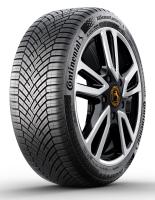
Gesamtsieger: Continental AllSeasonContact 2
Basierend auf den Reifentest-Daten und Nutzerbewertungen in unserer Datenbank hat der Continental AllSeasonContact 2 in diesem Vergleich insgesamt bessere Leistungen gezeigt. Wie Sie jedoch im Netzdiagramm oben sehen können, hat jeder Reifen seine eigenen Stärken, die bei Ihrer endgültigen Reifenwahl berücksichtigt werden sollten.Ähnliche Vergleiche
Suchen Sie weitere Reifenvergleiche? Hier sind andere direkte Vergleiche mit diesen Reifen:



Fußnote
Diese Seite wurde unter Verwendung von Best Practices der Reifenindustrie für Tests entwickelt. Das bedeutet, dass wir nur Tests vergleichen, bei denen beide Reifen im selben Test waren.
Warum ist das wichtig? Reifentests werden stark von Faktoren wie Oberflächengrip und Oberflächentemperatur beeinflusst, was bedeutet, dass man nur Werte vom selben Tag vergleichen kann. Während eines Reifentests werden externe Bedingungsänderungen in die Gesamtergebnisse eingerechnet, aber es ist nicht möglich, dies zwischen Reifentests zu berechnen, die an verschiedenen Tagen oder an verschiedenen Orten durchgeführt wurden.
Daher werden Sie andere Tests auf Tyre Reviews sehen, die sowohl den %s als auch den %s enthalten
Diskussion
- Noch keine Kommentare — sei der Erste.