Menu

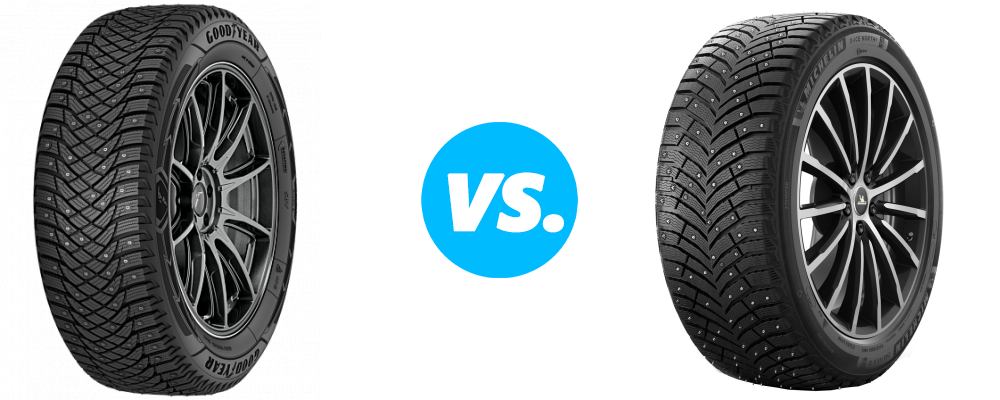
Continental IceContact 3 vs Goodyear UltraGrip Arctic 2

In diesem direkten Vergleich treten zwei Premium-Winterreifen mit nordischen Spikes für sicherheitsbewusste Alltagsfahrer gegeneinander an: der IceContact 3 von Continental und der UltraGrip Arctic 2 von Goodyear. In sieben gemeinsamen professionellen Tests von 2021 bis 2025 zielen beide auf ein ausgewogenes Fahrverhalten auf Asphalt mit der Sicherheit von Spikes für raue Winterstraßen ab. Während der Continental auf nassem und trockenem Asphalt oft mit präziser Lenkung, geringer Geräuschentwicklung und vorhersehbarer Balance glänzt, bietet der Goodyear wiederholt klassenbeste Brems- und Traktionswerte auf Eis und starken Schneegrip. Der entscheidende Kompromiss wird deutlich: Continentals Gelassenheit und Raffinesse auf Asphalt gegen Goodyears entscheidenden Vorteil auf den rutschigsten Winteroberflächen.
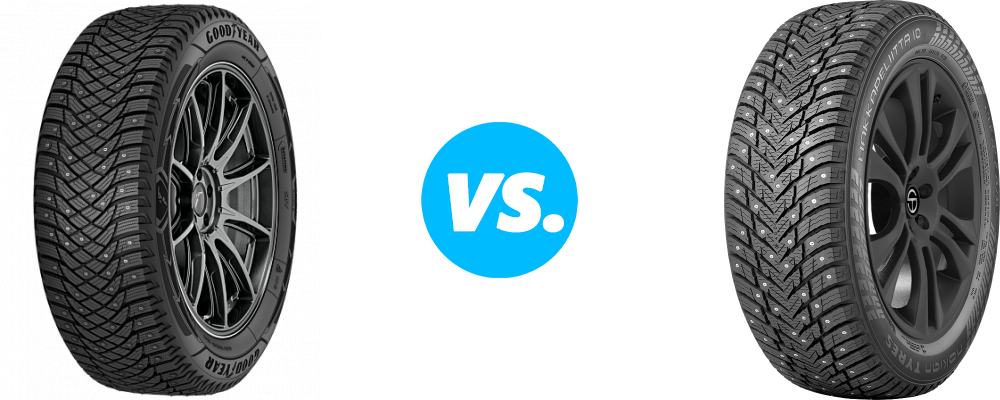
IceContact-3 VS UltraGrip-Arctic-2

Testergebnisse

Unabhängige Vergleichstests sind die beste Quelle für Reifeninformationen, und erfreulicherweise gibt es sieben Tests, die beide Reifen direkt vergleichen!

Zusammenfassung von sieben Gesamttests mit direktem Vergleich beider Reifen
Reifen Testsiege Leistung
Continental IceContact 3 eins
eins gewinnt
Goodyear UltraGrip Arctic 2 sechs
sechs gewinnt

Auch wenn es auf den ersten Blick so aussieht, als wäre der Goodyear UltraGrip Arctic 2 aufgrund der höheren Anzahl an Testsiegen besser als der Continental IceContact 3, sind Reifen sehr komplexe Objekte, was bedeutet, dass die Bereiche, in denen ein Reifen besser ist als der andere, im realen Einsatz wichtiger sein können.

Schauen wir uns an, wie die beiden Reifen in verschiedenen Testkategorien abschneiden.

Key Strengths
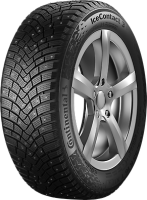
  • Konstant starkes Nass-/Trockenbremsen und Handling mit präzisem Lenkgefühl
  • Weniger Lärm und guter Komfort für einen Spikereifen
  • Gute Aquaplaning-Beständigkeit in mehreren Tests
  • Gelegentlich geringerer Rollwiderstand als vergleichbare Reifen
  • Klassenbeste Bremsleistung, Traktion und Handhabung auf Eis in allen Tests
  • Sehr gute Schneehaftung mit kurzen Bremswegen
  • Ausgeglichenes und sicheres Verhalten in Extremsituationen
  • Im Allgemeinen besseres Preis-Leistungs-Verhältnis in getesteten Größen

Dry Braking

Bei der Betrachtung von Daten aus sechs Reifentests war der Goodyear UltraGrip Arctic 2 in drei dry braking-Tests besser. Im Durchschnitt war der Goodyear UltraGrip Arctic 2 bremste das Fahrzeug in% 0.48 als der kürzerem Abstand.

Continental IceContact 3
33.1M
Goodyear UltraGrip Arctic 2
32.94M
Dry braking in meters, niedriger ist besser

Bester in Dry Braking: Goodyear UltraGrip Arctic 2

Continental IceContact 3
31.5M
Goodyear UltraGrip Arctic 2
31.7M (+0.2M)
Continental IceContact 3
33.65M (+0.74M)
Goodyear UltraGrip Arctic 2
32.91M
Continental IceContact 3
36.71M (+0.35M)
Goodyear UltraGrip Arctic 2
36.36M
Continental IceContact 3
32.77M (+0.66M)
Goodyear UltraGrip Arctic 2
32.11M
Continental IceContact 3
32.47M
Goodyear UltraGrip Arctic 2
32.66M (+0.19M)
Continental IceContact 3
31.5M
Goodyear UltraGrip Arctic 2
31.9M (+0.4M)

Subj. Dry Handling

Bei der Betrachtung von Daten aus vier Reifentests war der Continental IceContact 3 in zwei subj. dry handling-Tests besser. Im Durchschnitt war der Continental IceContact 3 erzielte% 23.81 als der mehr Punkte.

Continental IceContact 3
5.25 Points
Goodyear UltraGrip Arctic 2
4 Points
Subjective Dry Handling Score, höher ist besser

Bester in Subj. Dry Handling: Continental IceContact 3

Continental IceContact 3
3 Points
Goodyear UltraGrip Arctic 2
3 Points
Continental IceContact 3
5 Points
Goodyear UltraGrip Arctic 2
2 Points (-3 Points)
Continental IceContact 3
5 Points
Goodyear UltraGrip Arctic 2
3 Points (-2 Points)
Continental IceContact 3
8 Points
Goodyear UltraGrip Arctic 2
8 Points

Wet Braking

Bei der Betrachtung von Daten aus sechs Reifentests war der Goodyear UltraGrip Arctic 2 in zwei wet braking-Tests besser. Im Durchschnitt war der Goodyear UltraGrip Arctic 2 bremste das Fahrzeug in% 0.08 als der kürzerem Abstand.

Continental IceContact 3
36.04M
Goodyear UltraGrip Arctic 2
36.01M
Wet braking in meters, niedriger ist besser

Bester in Wet Braking: Goodyear UltraGrip Arctic 2

Continental IceContact 3
33.7M
Goodyear UltraGrip Arctic 2
34.9M (+1.2M)
Continental IceContact 3
37.1M (+1.24M)
Goodyear UltraGrip Arctic 2
35.86M
Continental IceContact 3
37.32M
Goodyear UltraGrip Arctic 2
37.99M (+0.67M)
Continental IceContact 3
37.87M (+1.93M)
Goodyear UltraGrip Arctic 2
35.94M
Continental IceContact 3
34.74M
Goodyear UltraGrip Arctic 2
35.34M (+0.6M)
Continental IceContact 3
35.5M
Goodyear UltraGrip Arctic 2
36M (+0.5M)

Wet Handling [s]

Bei der Betrachtung von Daten aus sechs Reifentests war der Continental IceContact 3 in fünf wet handling [s]-Tests besser. Im Durchschnitt war der Continental IceContact 3 war% 0.72 als der schneller auf einer nassen Runde.

Continental IceContact 3
40.09s
Goodyear UltraGrip Arctic 2
40.38s
Wet handling time in seconds, niedriger ist besser

Bester in Wet Handling [s]: Continental IceContact 3

Continental IceContact 3
35.2s
Goodyear UltraGrip Arctic 2
35.3s (+0.1s)
Continental IceContact 3
41.89s (+0.02s)
Goodyear UltraGrip Arctic 2
41.87s
Continental IceContact 3
41.52s
Goodyear UltraGrip Arctic 2
41.82s (+0.3s)
Continental IceContact 3
41.1s
Goodyear UltraGrip Arctic 2
41.2s (+0.1s)
Continental IceContact 3
40.7s
Goodyear UltraGrip Arctic 2
41.5s (+0.8s)
Continental IceContact 3
40.1s
Goodyear UltraGrip Arctic 2
40.6s (+0.5s)

Subj. Wet Handling

Bei der Betrachtung von Daten aus eins Reifentests war der Goodyear UltraGrip Arctic 2 in eins subj. wet handling-Tests besser. Im Durchschnitt war der Goodyear UltraGrip Arctic 2 erzielte% 11.11 als der mehr Punkte.

Continental IceContact 3
8 Points
Goodyear UltraGrip Arctic 2
9 Points
Subjective Wet Handling Score, höher ist besser

Bester in Subj. Wet Handling: Goodyear UltraGrip Arctic 2

Continental IceContact 3
8 Points (-1 Points)
Goodyear UltraGrip Arctic 2
9 Points

Straight Aqua

Bei der Betrachtung von Daten aus drei Reifentests war der Goodyear UltraGrip Arctic 2 in zwei straight aqua-Tests besser. Im Durchschnitt war der Goodyear UltraGrip Arctic 2 schwamm bei einer% 0.82 als der höheren Geschwindigkeit auf.

Continental IceContact 3
60.73Km/H
Goodyear UltraGrip Arctic 2
61.23Km/H
Float Speed in Km/H, höher ist besser

Bester in Straight Aqua: Goodyear UltraGrip Arctic 2

Continental IceContact 3
58.7Km/H
Goodyear UltraGrip Arctic 2
55.7Km/H (-3Km/H)
Continental IceContact 3
55.2Km/H (-2.1Km/H)
Goodyear UltraGrip Arctic 2
57.3Km/H
Continental IceContact 3
68.3Km/H (-2.4Km/H)
Goodyear UltraGrip Arctic 2
70.7Km/H

Snow Braking

Bei der Betrachtung von Daten aus sechs Reifentests war der Goodyear UltraGrip Arctic 2 in drei snow braking-Tests besser. Im Durchschnitt war der Goodyear UltraGrip Arctic 2 bremste das Fahrzeug in% 0.47 als der kürzerem Abstand.

Continental IceContact 3
25.56M
Goodyear UltraGrip Arctic 2
25.44M
Snow braking in meters, niedriger ist besser

Bester in Snow Braking: Goodyear UltraGrip Arctic 2

Continental IceContact 3
51.4M (+0.8M)
Goodyear UltraGrip Arctic 2
50.6M
Continental IceContact 3
15.12M
Goodyear UltraGrip Arctic 2
15.23M (+0.11M)
Continental IceContact 3
11.73M (+0.42M)
Goodyear UltraGrip Arctic 2
11.31M
Continental IceContact 3
12.98M (+0.02M)
Goodyear UltraGrip Arctic 2
12.96M
Continental IceContact 3
12.34M
Goodyear UltraGrip Arctic 2
12.41M (+0.07M)
Continental IceContact 3
49.8M
Goodyear UltraGrip Arctic 2
50.1M (+0.3M)

Snow Traction

Bei der Betrachtung von Daten aus sechs Reifentests war der Goodyear UltraGrip Arctic 2 in fünf snow traction-Tests besser. Im Durchschnitt war der Goodyear UltraGrip Arctic 2 beschleunigte% 1.53 als der schneller.

Continental IceContact 3
5.24s
Goodyear UltraGrip Arctic 2
5.16s
Snow acceleration time, niedriger ist besser

Bester in Snow Traction: Goodyear UltraGrip Arctic 2

Continental IceContact 3
5.8s (+0.1s)
Goodyear UltraGrip Arctic 2
5.7s
Continental IceContact 3
4.96s (+0.13s)
Goodyear UltraGrip Arctic 2
4.83s
Continental IceContact 3
5.62s (+0.12s)
Goodyear UltraGrip Arctic 2
5.5s
Continental IceContact 3
4.84s (+0.05s)
Goodyear UltraGrip Arctic 2
4.79s
Continental IceContact 3
4.32s (+0.08s)
Goodyear UltraGrip Arctic 2
4.24s
Continental IceContact 3
5.9s
Goodyear UltraGrip Arctic 2
5.9s

Snow Handling [s]

Bei der Betrachtung von Daten aus fünf Reifentests war der Continental IceContact 3 in vier snow handling [s]-Tests besser. Im Durchschnitt war der Continental IceContact 3 war% 0.31 als der schneller auf einer Runde.

Continental IceContact 3
73.49s
Goodyear UltraGrip Arctic 2
73.72s
Snow handling time in seconds, niedriger ist besser

Bester in Snow Handling [s]: Continental IceContact 3

Continental IceContact 3
53.5s (+0.8s)
Goodyear UltraGrip Arctic 2
52.7s
Continental IceContact 3
85.23s
Goodyear UltraGrip Arctic 2
85.38s (+0.15s)
Continental IceContact 3
78.53s
Goodyear UltraGrip Arctic 2
79.41s (+0.88s)
Continental IceContact 3
75.1s
Goodyear UltraGrip Arctic 2
75.3s (+0.2s)
Continental IceContact 3
75.1s
Goodyear UltraGrip Arctic 2
75.8s (+0.7s)

Ice Braking

Bei der Betrachtung von Daten aus sechs Reifentests war der Goodyear UltraGrip Arctic 2 in sechs ice braking-Tests besser. Im Durchschnitt war der Goodyear UltraGrip Arctic 2 bremste das Fahrzeug% 15.35 als der kürzer.

Continental IceContact 3
24.37M
Goodyear UltraGrip Arctic 2
20.63M
Ice braking in meters, niedriger ist besser

Bester in Ice Braking: Goodyear UltraGrip Arctic 2

Continental IceContact 3
40.9M (+3M)
Goodyear UltraGrip Arctic 2
37.9M
Continental IceContact 3
15.42M (+3.2M)
Goodyear UltraGrip Arctic 2
12.22M
Continental IceContact 3
14.4M (+3.26M)
Goodyear UltraGrip Arctic 2
11.14M
Continental IceContact 3
17.14M (+4.17M)
Goodyear UltraGrip Arctic 2
12.97M
Continental IceContact 3
15.87M (+3.23M)
Goodyear UltraGrip Arctic 2
12.64M
Continental IceContact 3
42.5M (+5.6M)
Goodyear UltraGrip Arctic 2
36.9M

Ice Traction

Bei der Betrachtung von Daten aus sechs Reifentests war der Goodyear UltraGrip Arctic 2 in fünf ice traction-Tests besser. Im Durchschnitt war der Goodyear UltraGrip Arctic 2 beschleunigte% 12.41 als der schneller.

Continental IceContact 3
5.56s
Goodyear UltraGrip Arctic 2
4.87s
Ice acceleration time, niedriger ist besser

Bester in Ice Traction: Goodyear UltraGrip Arctic 2

Continental IceContact 3
3.9s
Goodyear UltraGrip Arctic 2
3.9s
Continental IceContact 3
5.89s (+0.89s)
Goodyear UltraGrip Arctic 2
5s
Continental IceContact 3
2.79s (+0.45s)
Goodyear UltraGrip Arctic 2
2.34s
Continental IceContact 3
7.88s (+1.79s)
Goodyear UltraGrip Arctic 2
6.09s
Continental IceContact 3
6.81s (+0.62s)
Goodyear UltraGrip Arctic 2
6.19s
Continental IceContact 3
6.1s (+0.4s)
Goodyear UltraGrip Arctic 2
5.7s

Ice Handling [s]

Bei der Betrachtung von Daten aus fünf Reifentests war der Goodyear UltraGrip Arctic 2 in fünf ice handling [s]-Tests besser. Im Durchschnitt war der Goodyear UltraGrip Arctic 2 war% 4.25 als der schneller auf einer Runde.

Continental IceContact 3
52.49s
Goodyear UltraGrip Arctic 2
50.26s
Ice handling time in seconds, niedriger ist besser

Bester in Ice Handling [s]: Goodyear UltraGrip Arctic 2

Continental IceContact 3
57.8s (+2.7s)
Goodyear UltraGrip Arctic 2
55.1s
Continental IceContact 3
68.12s (+4.39s)
Goodyear UltraGrip Arctic 2
63.73s
Continental IceContact 3
45.53s (+1.14s)
Goodyear UltraGrip Arctic 2
44.39s
Continental IceContact 3
40.8s (+1.2s)
Goodyear UltraGrip Arctic 2
39.6s
Continental IceContact 3
50.2s (+1.7s)
Goodyear UltraGrip Arctic 2
48.5s

Subj. Comfort

Bei der Betrachtung von Daten aus eins Reifentests war der Continental IceContact 3 in eins subj. comfort-Tests besser. Im Durchschnitt war der Continental IceContact 3 erzielte% 60 als der mehr Punkte.

Continental IceContact 3
5 Points
Goodyear UltraGrip Arctic 2
2 Points
Subjective Comfort Score, höher ist besser

Bester in Subj. Comfort: Continental IceContact 3

Continental IceContact 3
5 Points
Goodyear UltraGrip Arctic 2
2 Points (-3 Points)

Subj. Noise

Bei der Betrachtung von Daten aus zwei Reifentests war der Goodyear UltraGrip Arctic 2 in zwei subj. noise-Tests besser. Im Durchschnitt war der Goodyear UltraGrip Arctic 2 erzielte% 14.29 als der mehr Punkte.

Continental IceContact 3
6 Points
Goodyear UltraGrip Arctic 2
7 Points
Subjective in car noise levels, höher ist besser

Bester in Subj. Noise: Goodyear UltraGrip Arctic 2

Continental IceContact 3
6 Points (-1 Points)
Goodyear UltraGrip Arctic 2
7 Points
Continental IceContact 3
6 Points (-1 Points)
Goodyear UltraGrip Arctic 2
7 Points

Noise

Bei der Betrachtung von Daten aus drei Reifentests war der Continental IceContact 3 in drei noise-Tests besser. Im Durchschnitt war der Continental IceContact 3 gemessen% 1.36 als der leiser.

Continental IceContact 3
72.4dB
Goodyear UltraGrip Arctic 2
73.4dB
External noise in dB, niedriger ist besser

Bester in Noise: Continental IceContact 3

Continental IceContact 3
68.6dB
Goodyear UltraGrip Arctic 2
69.6dB (+1dB)
Continental IceContact 3
75dB
Goodyear UltraGrip Arctic 2
75.4dB (+0.4dB)
Continental IceContact 3
73.6dB
Goodyear UltraGrip Arctic 2
75.2dB (+1.6dB)

Noise

Bei der Betrachtung von Daten aus eins Reifentests war der Continental IceContact 3 in eins noise-Tests besser. Im Durchschnitt war der Continental IceContact 3 gemessen% 1.05 als der leiser.

Continental IceContact 3
75.6dB
Goodyear UltraGrip Arctic 2
76.4dB
Internal noise in dB, niedriger ist besser

Bester in Noise: Continental IceContact 3

Continental IceContact 3
75.6dB
Goodyear UltraGrip Arctic 2
76.4dB (+0.8dB)

Price

Bei der Betrachtung von Daten aus drei Reifentests war der Goodyear UltraGrip Arctic 2 in drei price-Tests besser. Im Durchschnitt war der Goodyear UltraGrip Arctic 2 kostete% 12.26 als der weniger.

Continental IceContact 3
2099.33
Goodyear UltraGrip Arctic 2
1842
Price in local currency, niedriger ist besser

Bester in Price: Goodyear UltraGrip Arctic 2

Continental IceContact 3
600 (+50)
Goodyear UltraGrip Arctic 2
550
Continental IceContact 3
3029 (+330)
Goodyear UltraGrip Arctic 2
2699
Continental IceContact 3
2669 (+392)
Goodyear UltraGrip Arctic 2
2277

Rolling Resistance

Bei der Betrachtung von Daten aus eins Reifentests war der Continental IceContact 3 in eins rolling resistance-Tests besser. Im Durchschnitt war der Continental IceContact 3 hatte einen% 5.26 als der geringeren Rollwiderstand.

Continental IceContact 3
5.4kg / t
Goodyear UltraGrip Arctic 2
5.7kg / t
Rolling resistance in kg t, niedriger ist besser

Bester in Rolling Resistance: Continental IceContact 3

Continental IceContact 3
5.4kg / t
Goodyear UltraGrip Arctic 2
5.7kg / t (+0.3kg / t)

Fuel Consumption

Bei der Betrachtung von Daten aus zwei Reifentests war der Goodyear UltraGrip Arctic 2 in eins fuel consumption-Tests besser. Im Durchschnitt war der Goodyear UltraGrip Arctic 2 verbrauchte% 0.17 als der weniger Kraftstoff.

Continental IceContact 3
5.84l/100km
Goodyear UltraGrip Arctic 2
5.83l/100km
Fuel consumption in Litres per 100 km, niedriger ist besser

Bester in Fuel Consumption: Goodyear UltraGrip Arctic 2

Continental IceContact 3
5.92l/100km
Goodyear UltraGrip Arctic 2
5.96l/100km (+0.04l/100km)
Continental IceContact 3
5.75l/100km (+0.05l/100km)
Goodyear UltraGrip Arctic 2
5.7l/100km

Erfahrungsberichte von Fahrern

Tyre Reviews sammelt auch Erfahrungsberichte von Fahrern für den Continental IceContact 3 und den Goodyear UltraGrip Arctic 2.

Insgesamt wurde der Continental IceContact 3 3 Mal bewertet und die Fahrer haben dem Reifen insgesamt 76% gegeben.

Der Goodyear UltraGrip Arctic 2 wurde 1 Mal bewertet und die Fahrer haben dem Reifen insgesamt 91% gegeben.

Das bedeutet, dass Fahrer im realen Einsatz den Goodyear UltraGrip Arctic 2 bevorzugen.

Beste Bewertung für den Continental IceContact 3
Bei 80% 215/55 R16 T auf a combination of roads für 8,500 average Kilometer
Ich hatte normale Stollen. Hervorragender Grip auf gepacktem Schnee und ~ 1 cm Schnee auf dem gepackten Schnee. Grip on Ice ist auch auf der Seeeisbahn großartig getestet. Man kann Spaß daran haben, das Auto auf Eis zu werfen, und Reifen fühlen sich besonders beim Bremsen gut an. Ich fühlte mich mit ihnen auf rutschigen Oberflächen sicher. Bei ca. 4-5 cm Schnee sind diese Reifen zu breit und verlieren bei höheren Geschwindigkeiten den Kontakt mit der harten Oberfläche. Für diese Tage wünschte ich, ich hätte schmalere Reifen, aber es ist nicht "der Reifenfehler". Dry and... Lesen Sie diese Rezension über den unten stehenden Link weiter
Hilfreich 1257 - Reifen beurteilt in June 3, 2020
Alle Continental IceContact 3 Fahrerbewertungen anzeigen >>
Beste Bewertung für den Goodyear UltraGrip Arctic 2
Bei 91% 225/45 R17 auf a combination of roads für 1,500 spirited Kilometer
Ich brauchte qualitativ hochwertige Winterreifen mit Spikes, die mit einem Auto mit Allradantrieb ein temperamentvolles Seitwärtsfahren auf dem Eissee ermöglichten, und der Goodyear Artic 2 wurde geliefert. Reifen zeichnen sich durch hervorragende Eishaftung beim Bremsen und Beschleunigen aus. Wenn Sie in Kurven fahren möchten, ist es besser, zuerst langsamer zu fahren, es sei denn, Sie möchten seitwärts fahren. Wenn man sich die Stollen ansieht, macht das Sinn, denn die Stollen haben keine dreieckige Form wie Michelin X-Ice North 4 oder Nokian Hakkapeliitta 10, sondern eher eine... Lesen Sie diese Rezension über den unten stehenden Link weiter
Hilfreich 934 - Reifen beurteilt in February 10, 2024
Alle Goodyear UltraGrip Arctic 2 Fahrerbewertungen anzeigen >>

Fazit

Das Muster ist über alle Tests hinweg konsistent. Der Goodyear UltraGrip Arctic 2 dominiert die sicherheitskritischen Eiskategorien (6/6 Siege beim Eisbremsen, 5/5 Siege beim Eis-Traktionsverhalten, 5/5 Siege beim Eis-Handling) und gehört beim Anfahren/Bremsen auf Schnee typischerweise zu den Besten, wenn auch mit etwas ungenauem Lenkverhalten im Grenzbereich. Der Continental IceContact 3 kontert mit besserem Nass-/Trocken-Bremsen und häufigerem Handling, klarerem Lenkgefühl, geringerer Geräuschentwicklung und gelegentlich höherer Aquaplaning-Resistenz – Eigenschaften, die das Fahren auf Asphalt im Alltag ruhiger und präziser machen. Für Käufer, die häufig mit Glatteis, vereisten Kreuzungen oder unbehandelten Winterstraßen konfrontiert sind, ist der Goodyear die sicherere Wahl. Für den gemischten Stadtverkehr mit mehr nassem/trockenem Asphalt und nur gelegentlich starkem Eis sprechen das Fahrverhalten, der Komfort und die Laufruhe des Continental an. Auch preislich spricht in den meisten Tests Goodyear, obwohl Continental in einigen Größen einen geringeren Rollwiderstand bieten kann. Die praktische Erkenntnis: Wählen Sie Goodyear für maximale Sicherheit auf Eis, Continental für die angenehmste tägliche Fahrt auf asphaltreichen Winterstrecken.
Key Differences
  • Leistung auf Eis: Goodyear gewinnt jeden gemeinsamen Bremstest auf Eis; Continental liegt immer wieder mit großem Abstand zurück (oft 13–25 %).
  • Anfahren/Bremsen im Schnee: Goodyear hat bei Traktion und Bremsen oft die Nase vorn; Continental kann bei Handlingrunden im Schnee etwas schneller sein.
  • Nasser/trockener Asphalt: Continental bremst häufig kürzer und fährt sich präziser; Goodyear kann etwas langsamer sein, ist aber immer noch sicher.
  • Lenkgefühl: Continental ist klarer und präziser, Goodyear wird als schwammig/taub im Grenzbereich beschrieben.
  • Geräuschentwicklung/Komfort: Continental ist normalerweise leiser; Goodyear tendiert zu lauter.
  • Wert/Preis: Goodyear ist in Tests im Allgemeinen günstiger; Continental weist manchmal einen niedrigeren Rollwiderstand auf, erhielt aber anderswo hohe Bewertungen für den Rollwiderstand.
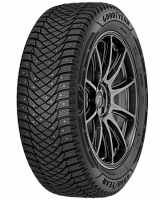
Goodyear UltraGrip Arctic 2

Gesamtsieger: Goodyear UltraGrip Arctic 2

Basierend auf den Reifentest-Daten und Nutzerbewertungen in unserer Datenbank hat der Goodyear UltraGrip Arctic 2 in diesem Vergleich insgesamt bessere Leistungen gezeigt. Wie Sie jedoch im Netzdiagramm oben sehen können, hat jeder Reifen seine eigenen Stärken, die bei Ihrer endgültigen Reifenwahl berücksichtigt werden sollten.

Ähnliche Vergleiche

Suchen Sie weitere Reifenvergleiche? Hier sind andere direkte Vergleiche mit diesen Reifen:
Continental IceContact 3 Top-Vergleiche

Für diesen Reifen sind keine weiteren Vergleiche verfügbar.

Goodyear UltraGrip Arctic 2 Top-Vergleiche
Für diesen Reifen sind keine weiteren Vergleiche verfügbar.

Fußnote

Diese Seite wurde unter Verwendung von Best Practices der Reifenindustrie für Tests entwickelt. Das bedeutet, dass wir nur Tests vergleichen, bei denen beide Reifen im selben Test waren.

Warum ist das wichtig? Reifentests werden stark von Faktoren wie Oberflächengrip und Oberflächentemperatur beeinflusst, was bedeutet, dass man nur Werte vom selben Tag vergleichen kann. Während eines Reifentests werden externe Bedingungsänderungen in die Gesamtergebnisse eingerechnet, aber es ist nicht möglich, dies zwischen Reifentests zu berechnen, die an verschiedenen Tagen oder an verschiedenen Orten durchgeführt wurden.

Daher werden Sie andere Tests auf Tyre Reviews sehen, die sowohl den %s als auch den %s enthalten