

Continental vs Michelin
467 gemeinsame professionelle Tests: Continental lag in 282 vorn, Michelin in 169, 16 endeten unentschieden. Besitzer bewerten Michelin mit 8,1 und Continental mit 7,5 von 10 Punkten, aus 7.310 Bewertungen.
Die kurze Antwort
 Continental
Premium · 131 Reifen im Verkauf · Continental Group
 Michelin
Premium · 171 Reifen im Verkauf · Michelin Group
Michelin führt in mehr der Kategorien, die wir messen. Erstellt aus allen professionellen Tests, an denen beide Marken teilgenommen haben, und allen geprüften Besitzerbewertungen, die uns zu ihren Reifen vorliegen - die Belege finden Sie weiter unten auf der Seite. Datenstand 30. Oktober 2026.

Continental gegen Michelin auf einen Blick
Continental and Michelin are both premium brands with deep testing histories - Continental (Germany, founded 1871) and Michelin (France, founded 1889) each appear in well over 500 professional tests overall.
The numbers paint a clear split: Continental more often comes out ahead in direct, like-for-like group tests, especially in summer and winter fitments, while Michelin tends to win the longer-game measures that owners feel most - wear, comfort, buy-again intent and a consistently higher review score.
| Kategorie | Continental | Michelin | Gewinner |
|---|---|---|---|
| Gesamter Testrekord | 282 Siege | 169 Siege | Continental |
| Nassbremsen | 38,18 m | 38,83 m | Continental |
| Trockenbremsen | 38,09 m | 37,68 m | Michelin |
| Schneebremsen | 22,84 m | 22,79 m | Michelin |
| Rollwiderstand | 7,72 kg/t | 7,78 kg/t | Continental |
| Geräusch | 71,22 dB | 70,94 dB | Michelin |
| Laufleistung (Verschleißtests) | 44.023 km | 48.963 km | Michelin |
| Preis | günstiger in 138 von 164 Tests | günstiger in 21 von 164 Tests | Continental |
| Gesamtbewertung der Besitzer | 7,5 / 10 | 8,1 / 10 | Michelin |
Direkter Testvergleich
In 467 professionellen Tests, in denen beide Marken einen Reifen gestellt haben, schnitt Continental in 282 besser ab und Michelin in 169 (16 unentschieden).
Nach Saison
| Kategorie | gemeinsame Tests | Continental | Michelin | Unentschieden |
|---|---|---|---|---|
| Sommer | 232 | 143 | 83 | 6 |
| Winter | 161 | 107 | 48 | 6 |
| Ganzjährig | 70 | 31 | 36 | 3 |
| All Wetter | 3 | 0 | 2 | 1 |
The cleanest comparison is the 449 shared tests where both brands competed and each brand is represented by its best-placed tyre - here Continental wins 273 to Michelin's 163, with 13 draws, and it also posts the stronger average finish percentile (81.6 vs 72.8). That pattern holds in recent data too: across the last 5 years (165 shared tests), Continental leads 92 to 67 with 6 draws, suggesting its test performance advantage is not just historical noise. Looking beyond head-to-heads, Continental also converts tests into top results more often overall (212 wins and a 73% podium rate from 516 tests) than Michelin (124 wins and a 58% podium rate from 521 tests).
So zählen wir: Nur Tests, an denen beide Marken teilgenommen haben, werden verwendet, und jede Marke wird durch ihren bestplatzierten Reifen in diesem Test vertreten. Besitzerbewertungen und Labelzahlen decken das gesamte aktuelle Sortiment der Marken ab.
Leistung nach Metrik
Durchschnittlich über gemeinsame Tests, welche Marke in jeder gemessenen Disziplin führt und um wie viel.
Continental gewann 166 von 271 Tests · 4,7% typische Marge
Michelin gewann 146 von 263 Tests · 3,8% typische Marge
Michelin gewann 119 von 215 Tests · 4% typische Marge
Continental gewann 95 von 193 Tests · 6,9% typische Marge
Michelin gewann 101 von 178 Tests · 1,3% typische Marge
Michelin gewann 77 von 134 Tests · 3,6% typische Marge
Continental gewann 61 von 116 Tests · 1% typische Marge
Continental gewann 64 von 115 Tests · 10,1% typische Marge
Continental gewann 71 von 114 Tests · 1,8% typische Marge
Continental gewann 68 von 102 Tests · 2,3% typische Marge
Michelin gewann 34 von 86 Tests
Continental gewann 39 von 85 Tests
Continental gewann 75 von 126 Tests · 5,2% typische Marge
Continental gewann 71 von 125 Tests · 2,7% typische Marge
Michelin gewann 61 von 99 Tests · 3% typische Marge
Michelin gewann 56 von 92 Tests · 7,3% typische Marge
Michelin gewann 46 von 80 Tests · 1,4% typische Marge
Continental gewann 29 von 53 Tests · 1,3% typische Marge
Continental gewann 35 von 53 Tests · 2,2% typische Marge
Continental gewann 28 von 52 Tests · 2,4% typische Marge
Continental gewann 32 von 47 Tests · 1% typische Marge
Michelin gewann 29 von 47 Tests · 8,7% typische Marge
Michelin gewann 22 von 46 Tests
Continental gewann 23 von 44 Tests
Continental gewann 47 von 82 Tests · 4,3% typische Marge
Michelin gewann 46 von 82 Tests · 2,7% typische Marge
Michelin gewann 39 von 74 Tests · 3,5% typische Marge
Continental gewann 39 von 70 Tests · 5% typische Marge
Michelin gewann 29 von 57 Tests · 1,3% typische Marge
Continental gewann 42 von 57 Tests · 7,7% typische Marge
Continental gewann 34 von 40 Tests · 14,2% typische Marge
Michelin gewann 27 von 38 Tests · 3,6% typische Marge
Continental gewann 21 von 34 Tests · 0,7% typische Marge
Continental gewann 14 von 34 Tests · 1% typische Marge
Michelin gewann 20 von 34 Tests · 1,6% typische Marge
Continental gewann 16 von 30 Tests · 1,5% typische Marge
Michelin gewann 55 von 61 Tests · 6,2% typische Marge
Continental gewann 43 von 61 Tests · 4,1% typische Marge
Michelin gewann 29 von 50 Tests · 4,6% typische Marge
Michelin gewann 28 von 45 Tests · 4,4% typische Marge
Continental gewann 21 von 43 Tests · 5,1% typische Marge
Michelin gewann 26 von 40 Tests · 1,2% typische Marge
Michelin gewann 18 von 29 Tests · 0,9% typische Marge
Continental gewann 22 von 27 Tests · 2,1% typische Marge
jeder gewann 13 von 27 Tests
Continental gewann 12 von 27 Tests · 2,5% typische Marge
Michelin gewann 19 von 23 Tests · 4% typische Marge
Continental gewann 17 von 19 Tests · 1,8% typische Marge
Across individual test metrics, the brands trade places depending on what you value. Continental's calling cards are wet-road control and efficiency-leaning lab metrics: it leads Wet Braking (38.07 m vs 38.71 m, 153 wins to 101), Wet Handling (75.18 vs 74.66 km/h, 67 wins to 35, and also 69.83 vs 70.58 s, 64 wins to 33), plus Curved Aquaplaning (9.06 vs 8.95 m/sec2, 60 wins to 45) and Rolling Resistance (7.72 vs 7.78 kg/t, 89 wins to 83). Michelin's strengths cluster around dry-road stopping, refinement, and winter traction and durability: it leads Dry Braking (37.53 m vs 37.96 m, 138 wins to 104), Straight Aquaplaning speed (80.02 vs 79.78 km/h, 114 wins to 86), Noise (70.91 vs 71.19 dB, 95 wins to 67), and it has the stronger snow and ice set - Snow Braking (22.74 m vs 22.88 m, 67 wins to 49) and Ice Braking (14.06 m vs 14.74 m, 21 wins to 8). The biggest separation is wear testing: Michelin leads by a wide margin (49,351.52 km vs 44,615.8 km, 38 wins to 11).
Die typische Marge ist der durchschnittliche Abstand zwischen den beiden Marken innerhalb eines einzelnen Tests. Die Testbedingungen variieren, daher kann sie größer sein als der Unterschied zwischen den insgesamt angezeigten Durchschnittswerten. Die bewerteten Punkte verwenden in jedem Test eine andere Skala, sodass nur die Gewinnbilanz vergleichbar ist.
Welche Marke gewinnt jede Saison
Direkte Testsiege nach Saison.
Continental führt hier mit 143 zu 83
- Continental am stärksten bei
- Subj. Geräusch
- Michelin am stärksten bei
- Abrieb
Continental führt hier mit 107 zu 48
- Continental am stärksten bei
- Subj. Trockenhandling
- Michelin am stärksten bei
- Subj. Geräusch
Michelin führt hier mit 36 zu 31
- Continental am stärksten bei
- Subj. Nasshandling
- Michelin am stärksten bei
- Abrieb
By season, the head-to-head record is decisive in summer and winter, and flips in all-season. In Summer shared tests (228), Continental wins 142 to Michelin's 81 (5 draws), aligning with Continental leading key summer dynamics like wet braking (74 wins to 49), dry braking (70 to 48), dry handling (29 to 24) and wet handling (28 to 23), while Michelin counters with straight aquaplaning resistance (61 wins to 35), rolling resistance (55 to 30) and noise (46 to 28). In Winter shared tests (154), Continental again leads overall (103 wins to 46, with 5 draws) and dominates winter efficiency and water clearing measures like rolling resistance (41 wins to 10) and curved aquaplaning (32 to 5), but Michelin is the more consistent bet for snow traction metrics - snow braking (40 wins to 30) and snow traction (25 to 10), and it also edges dry braking in winter (37 wins to 30). All Season is where Michelin takes the overall head-to-head lead: across 63 shared tests it wins 33 to 27 (3 draws), driven by big advantages in all-season dry braking (51 wins to 3), straight aquaplaning (25 to 15), noise (22 to 13) and dry handling (17 to 9), while Continental retains clear strengths in all-season wet braking (37 wins to 17) and wet handling (20 to 4).
Was Besitzer sagen
Besitzerbewertungen, vor der Veröffentlichung von Hand geprüft und nach der Anzahl der Bewertungen je Reifen gewichtet. Der Besitz wird nicht überprüft.
Owner feedback reinforces the durability and comfort narrative for Michelin. From 3,961 reviews, Michelin averages 8.05 out of 10 overall vs Continental's 7.46 from 3,168 reviews, with Michelin ahead on the ownership signals that typically drive repeat purchasing: Wear (7.97 vs 6.62) and Buy Again (7.7 vs 6.63). Michelin is also rated higher for comfort (8.13 vs 7.58) and both wet and dry grip (8.18 vs 7.92 wet, 8.72 vs 8.52 dry). Continental still scores strongly where its testing record suggests it should - solid dry grip and wet grip - but owners report a noticeably lower wear experience than Michelin despite similar reported mileage per review (14,516 vs 13,542).
Preis & Wert
Wie lange jeder Reifen hält und wie sie im Preis vergleichen.
Laufleistung (Verschleißtests)
Michelin hielt in den Verschleißtests länger, gewann 44 von 57 Tests mit einem Durchschnitt von 17%.
Preis
Continental war in 138 von 164 gemeinsamen Tests der günstigere der beiden.
Im Durchschnitt kostete Continental etwa 7% weniger als Michelin.
Value splits into two different stories: purchase price and how long the tyre lasts. On price within shared tests (153 samples), Continental is cheaper on average versus Michelin by 7%, and it is cheaper in far more of those tests (128 vs 20), so it tends to be the lower-cost way into premium-level performance. But on tread life, Michelin is the longer-lasting option in controlled wear testing: across 50 wear tests it averages 49,351.52 km vs Continental's 44,615.8 km, winning 38 to 11 - a 15.9% average gap in Michelin's favour. In other words, Continental often wins on up-front spend, while Michelin more often repays with longer service life, which can narrow or outweigh the price difference depending on your annual mileage.
Kraftstoffeffizienz & EU-Labels
Aktuelles Sortiment
Wie breit das aktuelle Sortiment jeder Marke ist.
Continental
| Personenkraftwagen | SUV und Allrad | Motorrad | Transporter | |
|---|---|---|---|---|
| Sommer | 37 | 7 | 16 | 4 |
| Ganzjährig | 19 | 16 | 1 | 2 |
| Winter | 23 | 3 | - | 2 |
| All Wetter | 1 | - | - | - |
Michelin
| Personenkraftwagen | SUV und Allrad | Motorrad | Transporter | |
|---|---|---|---|---|
| Sommer | 47 | 9 | 39 | 2 |
| Ganzjährig | 23 | 15 | 9 | 2 |
| Winter | 17 | 6 | 1 | - |
| All Wetter | 1 | - | - | - |
Michelin offers the broader catalogue by active tyre models (169 vs 127), which increases the odds of finding a Michelin that matches a specific niche or vehicle type, especially in summer (96 summer models vs 64) and all-season (48 vs 34). Continental counters with substantially wider size coverage overall (5,526 total sizes vs Michelin's 3,012), which matters if you drive a less common wheel size or need exact fitment availability. In the specialist corners, Michelin lists more all-terrain tyres (6 vs 4) and slightly more EV-marketed tyres (3 vs 2), while both brands show just 1 all-weather model in the range data.
Empfohlene Picks pro Kategorie
Die am besten bewerteten aktuellen Reifen jeder Marke, nach Saison.
Sommer
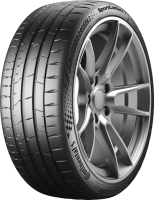
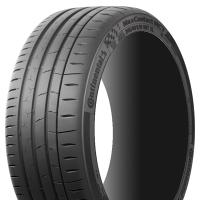
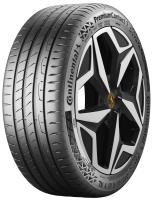
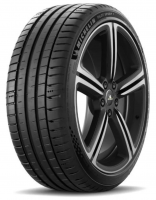
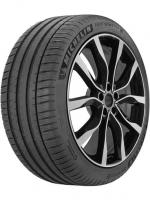
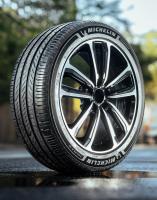
Ganzjährig
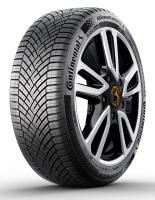
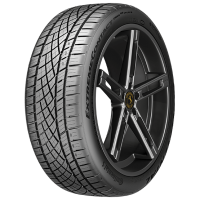

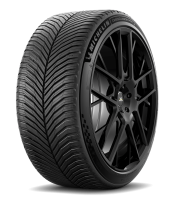
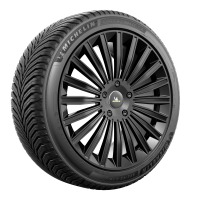
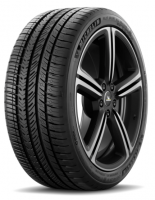
Winter
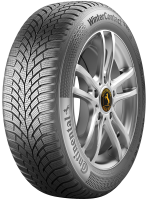
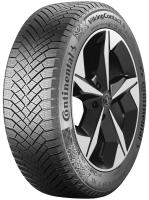
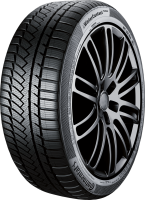
All Wetter
 SecureContact AW
8,5 Punktzahl
 CrossClimate 2 AW
9,4 Punktzahl
Beliebte Continental vs Michelin Reifenvergleiche
Direkte Vergleiche zwischen bestimmten Reifen dieser Marken.
 Continental AllSeasonContact 2 vs Michelin CrossClimate 2
 Continental PremiumContact 7 vs Michelin Primacy 5
 Continental SportContact 7 vs Michelin Pilot Sport 5
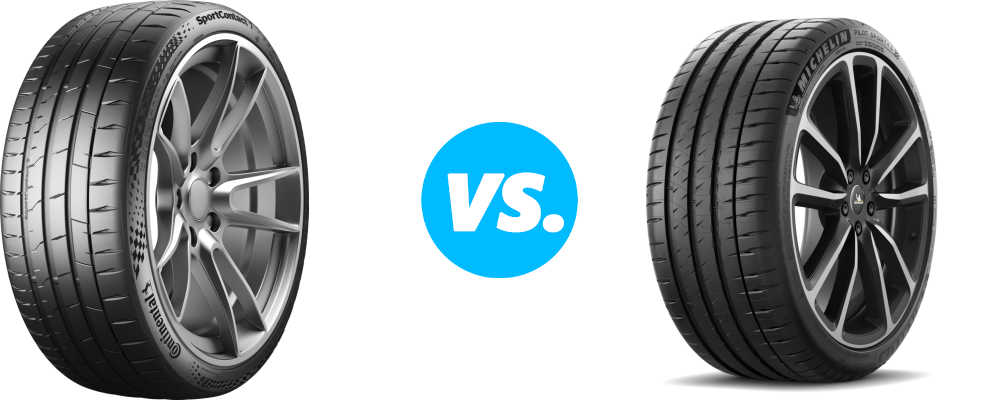 Continental SportContact 7 vs Michelin Pilot Sport 4 S
 Continental PremiumContact 7 vs Michelin Pilot Sport 5
 Continental VikingContact 8 vs Michelin X Ice Snow
Häufig gestellte Fragen
Ist Continental besser als Michelin?
In 467 gemeinsamen professionellen Tests schnitt Continental besser ab als Michelin in 282 (16 unentschieden) und hat eine höhere Besitzerbewertung von 7,5 gegenüber 8,1 von 10. Michelin führt in Sachen Besitzerbewertungen und Laufleistung.
Welcher ist im Nassen besser, Continental oder Michelin?
In Nassbremsen hat Continental im Durchschnitt 38,18 m gegenüber 38,83 m erzielt und 166 von 271 gemeinsamen Tests gewonnen. In Nasshandling hat Continental im Durchschnitt 75,17 km/h gegenüber 74,6 km/h erzielt und 71 von 114 gemeinsamen Tests gewonnen.
Welcher hält länger, Continental oder Michelin?
In unabhängigen Reifenverschleißtests über 57 gemeinsame Tests hielt Michelin länger, durchschnittlich 48.963 km gegenüber 44.023 km (etwa 17% weiter) und gewann 44 davon. Die von Besitzern bewertete Laufleistung stimmt überein, bei 8 gegenüber 6,6 von 10.
Welcher ist günstiger, Continental oder Michelin?
Continental ist normalerweise die günstigere Wahl und schneidet in 138 von 164 gemeinsamen Tests im Durchschnitt etwa 7% günstiger ab als Michelin.
Welcher ist besser im Winter, Continental oder Michelin?
In 161 gemeinsamen Wintertests lag Continental in 107 davon vorn. 35% seines aktuellen Sortiments sind 3PMSF-winterzertifiziert, gegenüber 43% bei Michelin. In Schneebremsen hat Michelin im Durchschnitt 22,79 m gegenüber 22,84 m erzielt und 77 von 134 gemeinsamen Tests gewonnen.
Welche Marke ist kraftstoffeffizienter, Continental oder Michelin?
Der Kraftstoffverbrauch und die Reichweite von Elektrofahrzeugen hängen vom Rollwiderstand ab. In Rollwiderstand hat Continental im Durchschnitt 7,72 kg/t gegenüber 7,78 kg/t erzielt und 95 von 193 gemeinsamen Tests gewonnen. 46% von Continental' aktueller Reihe erhält eine A- oder B-EU-Kraftstoffeffizienzbewertung, im Vergleich zu 38% für Michelin.
Was ist besser für Elektroautos, Continental oder Michelin?
Für ein Elektrofahrzeug sind die Prioritäten niedriger Rollwiderstand für Reichweite und niedriger Geräuschpegel für einen ruhigen Innenraum. Bei den Tests zum Rollwiderstand, der direkt die Reichweite von Elektrofahrzeugen beeinflusst, führte Continental 95 in 193 gemeinsamen Tests. Michelin listet derzeit auch 3 spezifische Reifen für Elektrofahrzeuge im Vergleich zu 2 für Continental.
Welche Marke ist leiser und komfortabler, Continental oder Michelin?
Die Besitzer bewerten Michelin höher in Bezug auf Komfort, mit 8,1 vs 7,6 von 10. In Geräusch hat Michelin im Durchschnitt 70,94 dB gegenüber 71,22 dB erzielt und 101 von 178 gemeinsamen Tests gewonnen.
Würden die Besitzer Continental oder Michelin wieder kaufen?
Die Besitzer von Michelin sind eher geneigt, die gleiche Marke erneut zu kaufen, mit einer Bewertung von 7,7 vs 6,6 von 10 in der Frage, ob sie wieder kaufen würden, basierend auf 7.310 kombinierten Bewertungen.
Endgültiges Urteil
If you prioritise outright performance in comparative group tests - especially summer and winter fitments and wet-road security measures - Continental has the stronger record, leading the shared-test head-to-head (273-163) and outperforming Michelin on average finish percentile (81.6 vs 72.8). If your priorities are longevity, comfort and a higher chance you will be happy after thousands of miles, Michelin stands out with longer wear-test life (49,351.52 km vs 44,615.8 km) and the higher owner score (8.05 vs 7.46), plus it leads the all-season head-to-head (33-27).
Overall lean: Continental leads in more test-outcome categories and is more often the cheaper premium buy, while Michelin leads the ownership-value categories that reduce replacement frequency and improve day-to-day satisfaction. Choose Continental if you want maximum odds of a top placing in independent tests for your season and strong wet performance at a typically lower price; choose Michelin if you want to optimise for tread life, comfort, and a stronger all-season and long-term ownership experience.